Articles & Insights
Stories from the field. Research that matters. Practical guidance for agencies and families navigating in-home care with confidence and clarity.
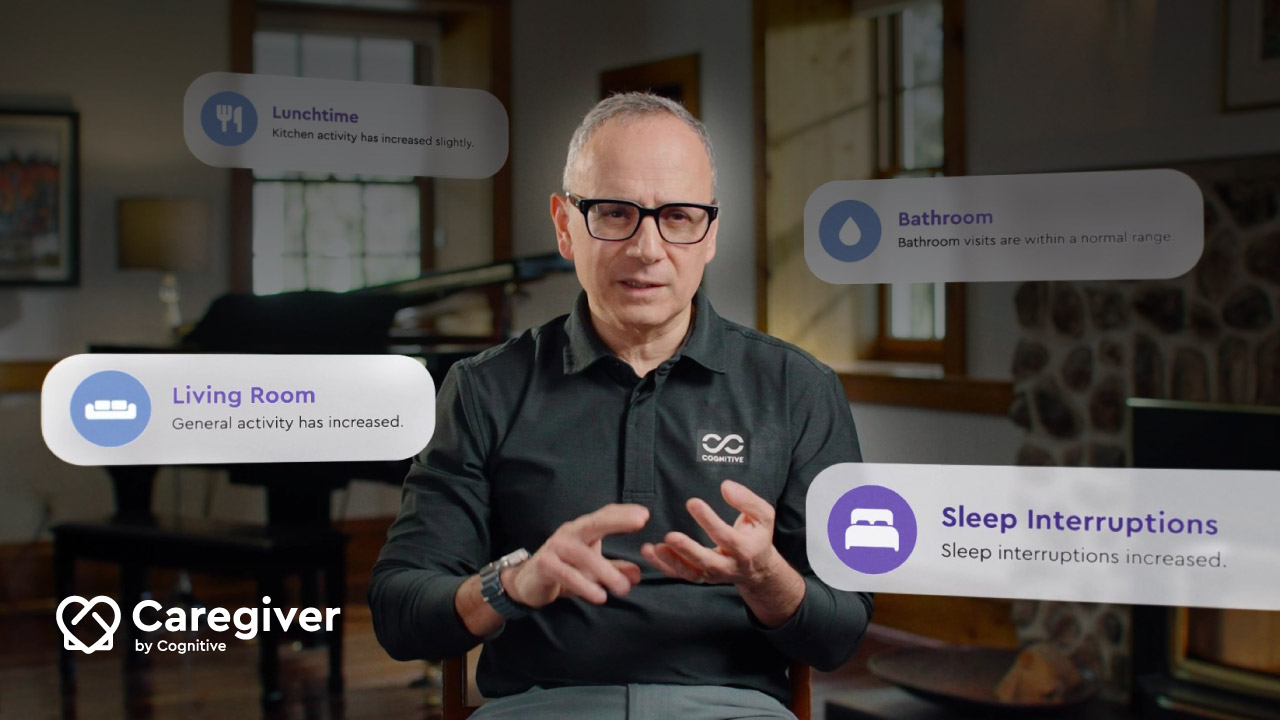
Why We Built Caregiver
A founder's story of turning one family's need into passive, camera-free awareness that helps home care providers see between visits.
Thank you! Your submission has been received!
Oops! Something went wrong while submitting the form.
Do Home Care Franchises Offer Between-Visit Monitoring Tech?
Home care franchise monitoring technology varies widely by brand. Here is how a prospect tells a real between-visit standard from an approved vendor list.

The Home Care Franchise Technology Question Prospects Now Ask
Franchise prospects now ask what the brand does about the hours between visits. Home care franchise technology only counts when it ships as a standard.

What Makes a Home Care Franchise Brand Stand Out?
What makes a home care franchise brand stand out is proof, not wording. Here are the four tests a differentiator has to pass before it changes your pitch.

Why Most Home Care Franchise Pitches Sound Identical and How to Fix It
Most home care franchise pitches compete on the same unprovable claims. Home care franchise differentiation starts with proof families can see every day.

The Early Warning Signs of Decline That Show Up Days Before Incidents
Sleep pattern changes are among the early warning signs of decline in elderly clients. What shows up weeks out, days out, and hours before an incident.
What Are Early Warning Signs An Elderly Person is Declining?
Early warning signs of decline in older adults living alone include sleep changes, less movement, quieter mealtimes, and routine drift. What to watch for.

When Should a Care Coordinator Escalate a Behaviour Change?
When a care coordinator should escalate a behavior change: the persistence test, the two-signal rule, and which response fits which kind of drift in home care.

From Signal to Action: Escalation Pathways for Care Coordinators
How care coordinators turn between-visit signals into action: a five-step escalation pathway for home care agencies, from pattern drift to family call.
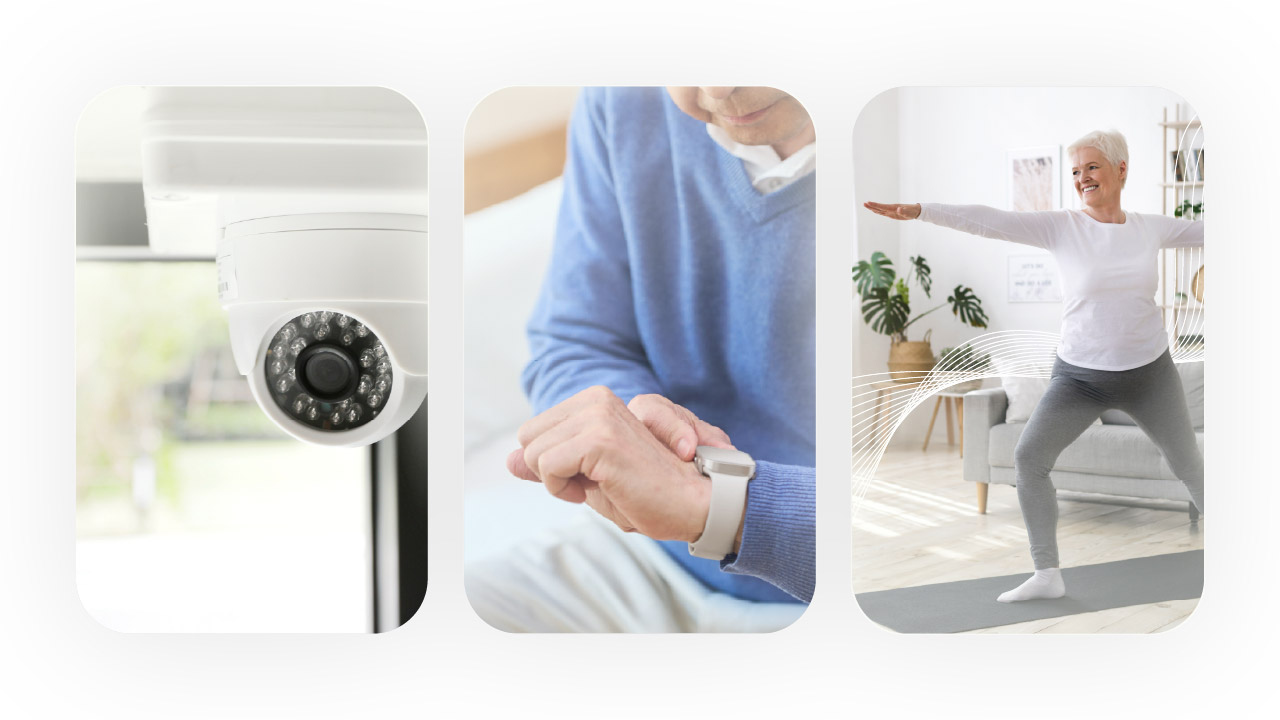
Cameras vs. Wearables vs. Ambient Care: What’s the Difference for Seniors?
Cameras, wearables, and Ambient Care compared for seniors: coverage, privacy, and what each asks of the client. How to pick a privacy friendly system.
Reading the Room Without Watching It: How Passive Sensing Detects Change
How passive sensing detects changes in routine for elderly clients at home: baselines, pattern drift, and early signal for care teams, no cameras involved.

How Do Home Care Agencies Monitor Clients Between Visits?
How home care agencies monitor clients between visits: visit notes, family reports, phone check-ins, and passive sensing that alerts the care team early.
The 22 Hours You Don’t See: What Happens Between Caregiver Visits
A home care client with a daily two-hour visit spends 22 hours unseen. Here’s what happens between caregiver visits and how care teams are closing the gap.
.jpg)
What KPIs Should Home Care Agencies Track for Client Retention?
The client retention KPIs home care agencies should track: median length of service, early-tenure discharge rate, discharge reason mix, and hours per client.

Client Retention Strategies for Home Care
Client retention strategies for home care agencies: a step-by-step program covering baselines, KPIs, onboarding, communication, and family involvement.
Is It Cheaper to Retain a Home Care Client or Replace One?
Is it cheaper to retain a home care client or replace one? Retaining is almost always cheaper. Here is the cost math agency owners need to see.

Home Care Retention: The Economics of Keeping Clients Beats Replacing Them
Home care retention economics favours keeping clients over replacing them. See how client and caregiver retention compare, and where agencies underinvest.
What Is Spatial Intelligence in Home Care?
Spatial intelligence in home care is continuous, passive insight into a client’s daily patterns between visits, with no cameras, wearables, or devices to operate.
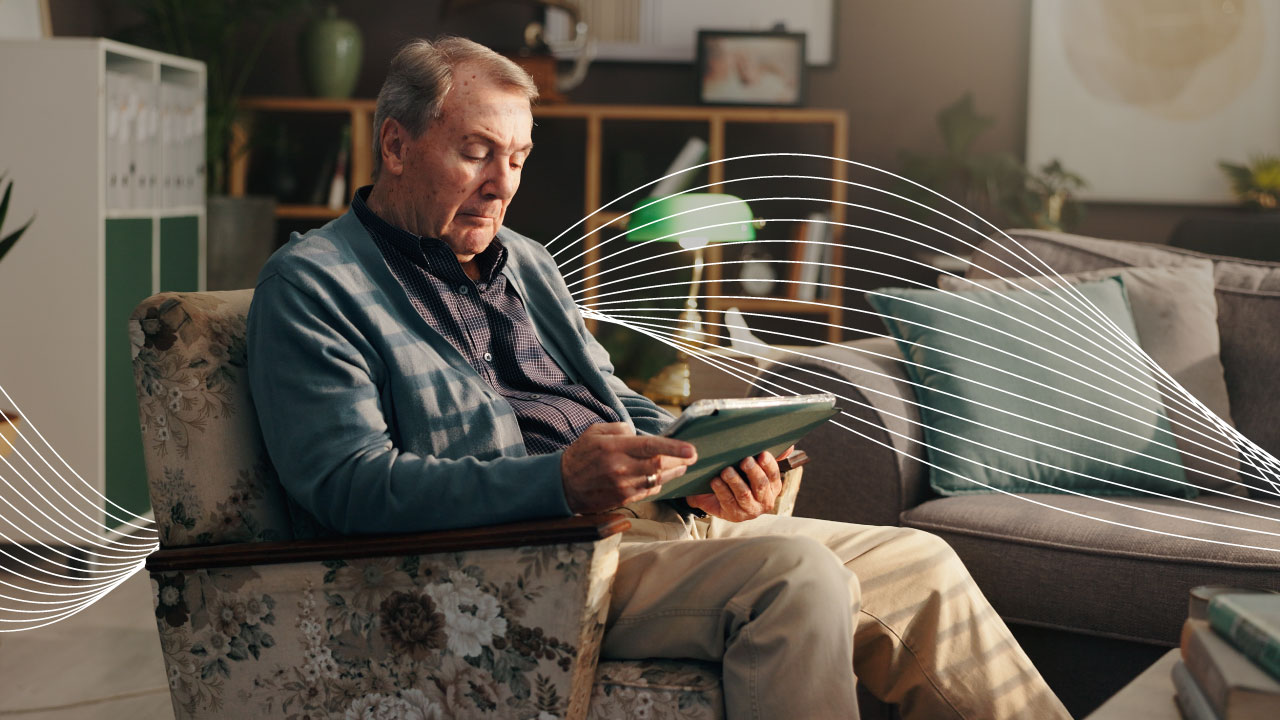
How to Keep Home Care Clients Longer
Learn how to keep home care clients longer by shifting from visit-only care to ambient care, the continuous awareness model that keeps families engaged.

How Long Does the Average Home Care Client Stay?
Most stay several months to over a year, but many leave early. Here’s what the data really shows and why.

Why Home Care Clients Churn Early: The Signals That Predict It
Home care client churn is most fragile in the early months. Here’s what drives early attrition, the signals that predict it, and how to keep clients longer.
FAQs
Find answers about privacy, setup, and how Caregiver works in real homes.
Is there a camera?
Do clients wear anything?
How is data protected?
What if someone refuses it?
How long does setup take?
Are there any recording devices or mics?